



Month 10, Free
Vegetarian & Vegan Diets – the Good & the Bad
Last Reviewed: 10/02/2026
Time To Read: 3mins
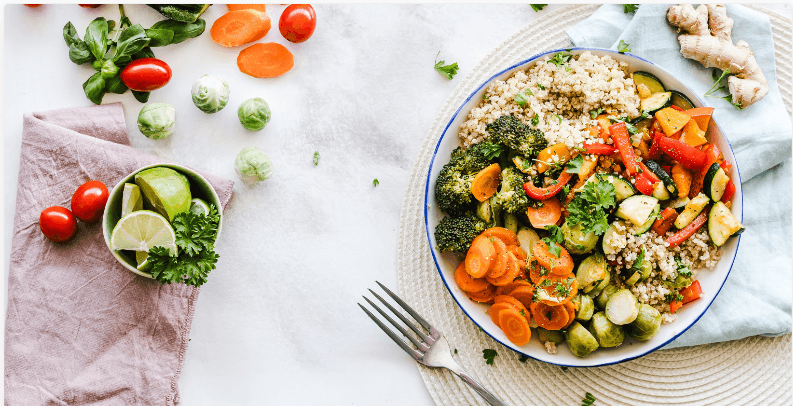
Vegetarian and vegan diets can be extremely healthy or extremely unhealthy, depending on what you eat. Let’s look at some examples of the good and the not so good.
Vegetarian Diets
A healthy vegetarian diet that includes dairy, might look like this:
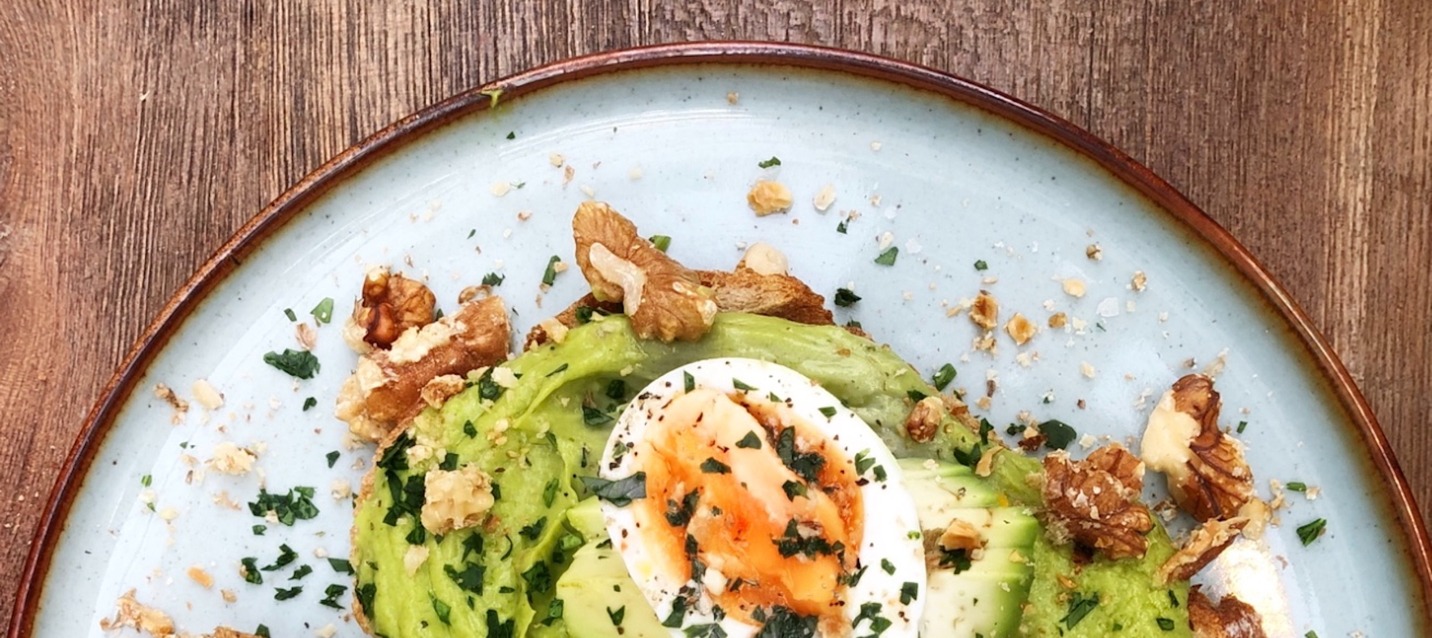
Breakfast: Wholegrain toast, poached egg, 1 orange, tea/coffee with low fat milk
Snack: Low fat yoghurt, small handful of nuts
Lunch: Pita filled with salad and 30g (1 oz) of low-fat cheese, piece of fruit
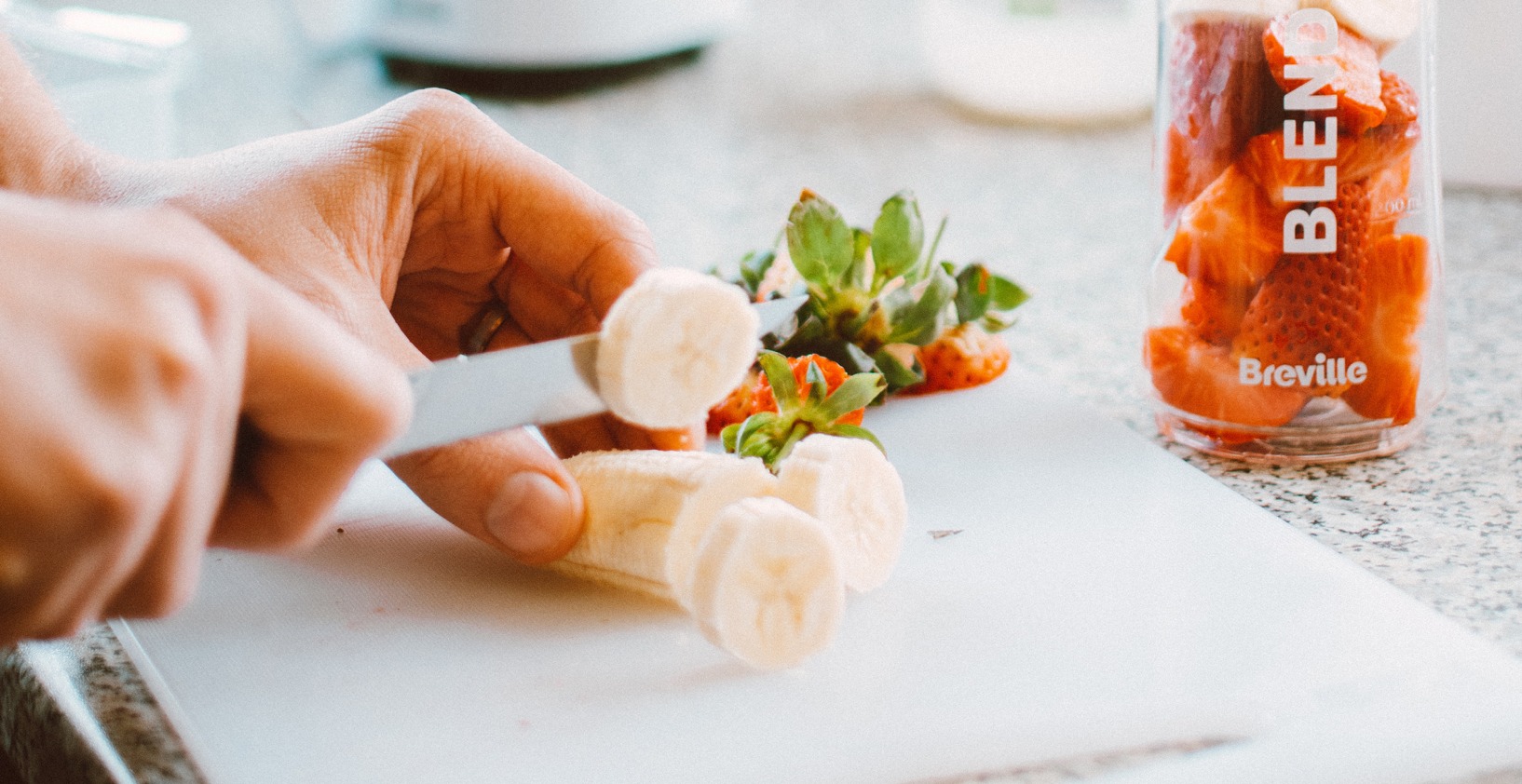
Snack: Smoothie (home-made) with low-fat milk, half a banana, 1/2cup berries, ice
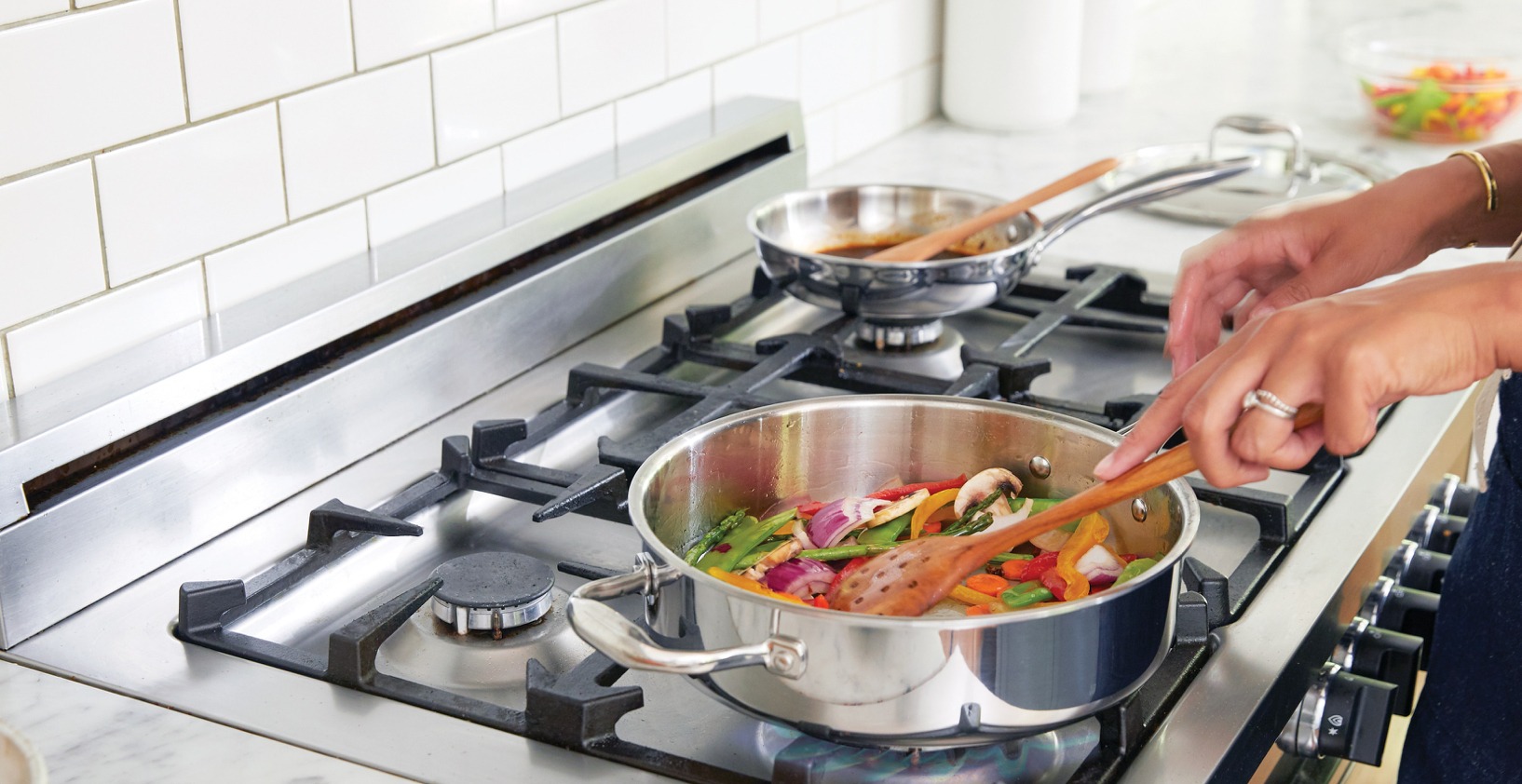
Dinner: Stir fry tofu, veg and brown rice
Snack: 2 cups air popped popcorn
A not so healthy version might include these foods:
Breakfast: Fried tofu and eggs
Snack: Potato chips & juice
Lunch: Fried rice & veges
Snack: Coconut Yoghurt (if high in saturated fat)
Dinner: Pasta (white) with tomato sauce
Snack: Granola bar
The main problem with the not so healthy version of this vegetarian eating pattern is there are practically no fruit & vegetables and the diet contains too much saturated fat (from the fried foods) and processed foods (potato chips, granola bar). It is very easy to eat an unhealthy vegetarian diet if you do not know how to make the healthy choice. Eating a diet, like the one shown in the example above, could lead to health issues (like anemia, for example), if the diet is not thought about and properly structured. Eating a vegetarian diet loaded with grains, fruits, vegetables, nuts & seeds, and low fat dairy, will go a long way towards meeting your nutrients needs for good health. If you choose to eat vegetarian, it is a good idea to educate yourself on how to structure your diet so you meet all your nutritional requirements for good health.
The Food Cruncher is an affordable lifestyle plan that teaches you real food and nutrition information.
Never again will you have to go on a diet.
Sign up to The Food Cruncher today
– no contracts, no joining fees, cancel whenever you like.

Vegan Diets Vs Junk Food Vegans
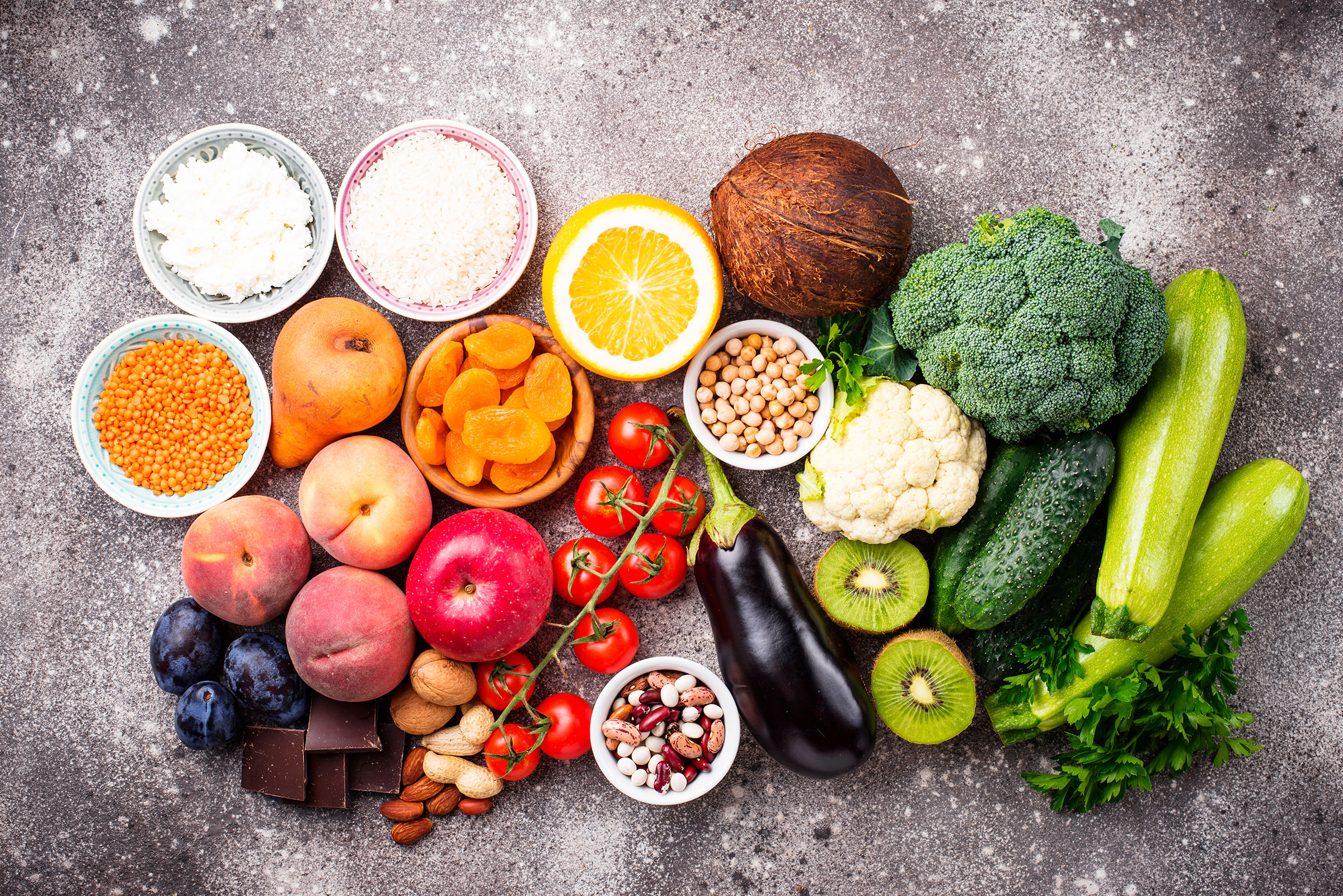
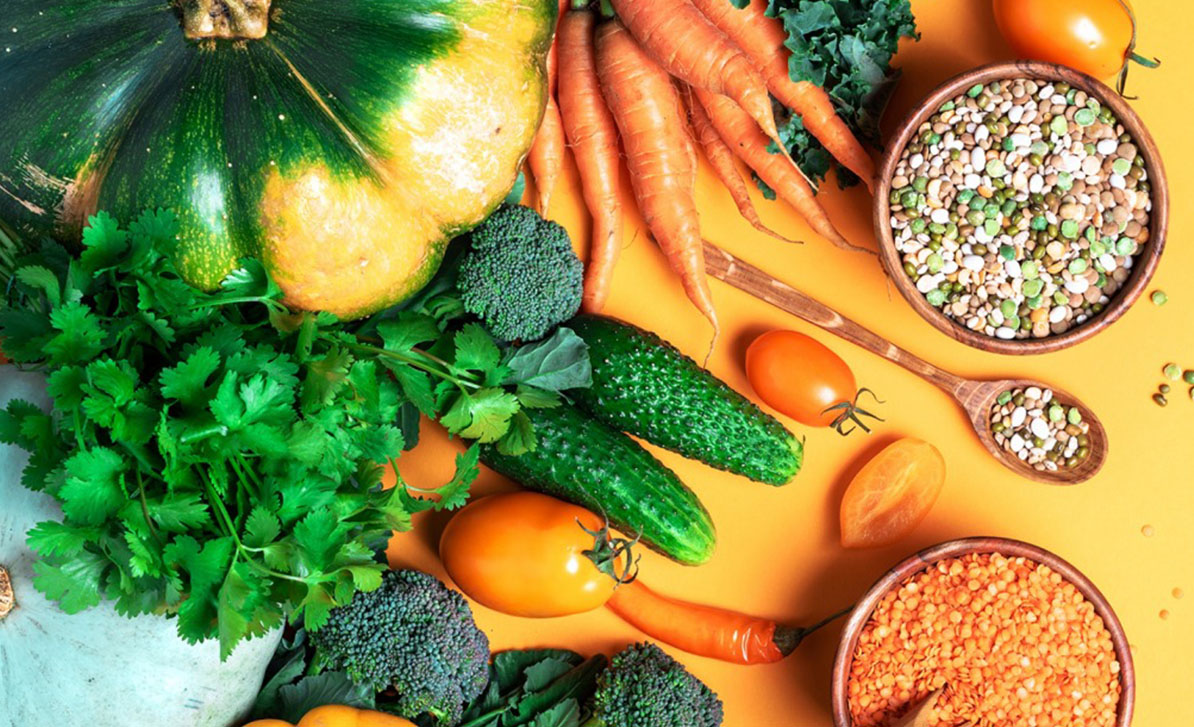
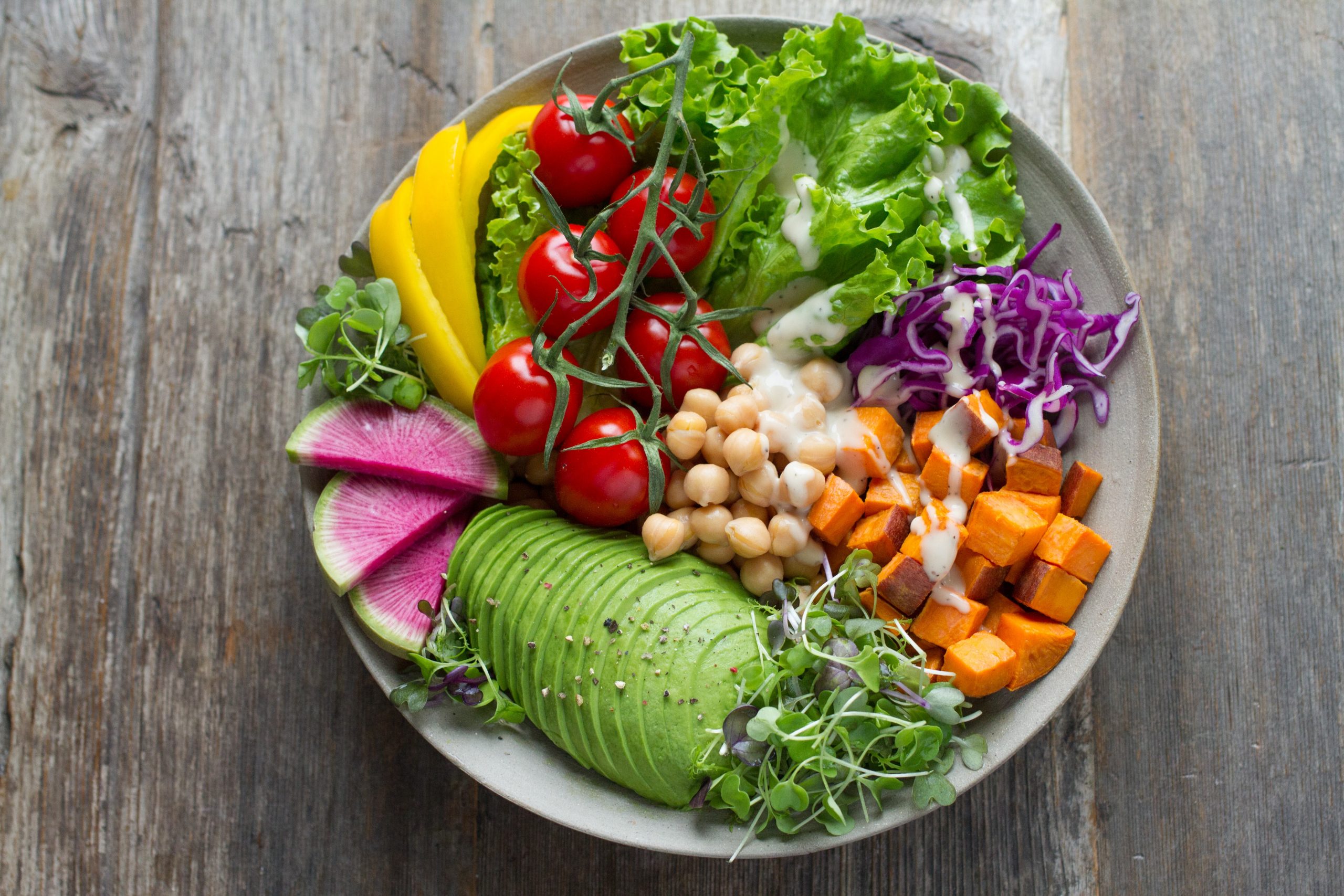
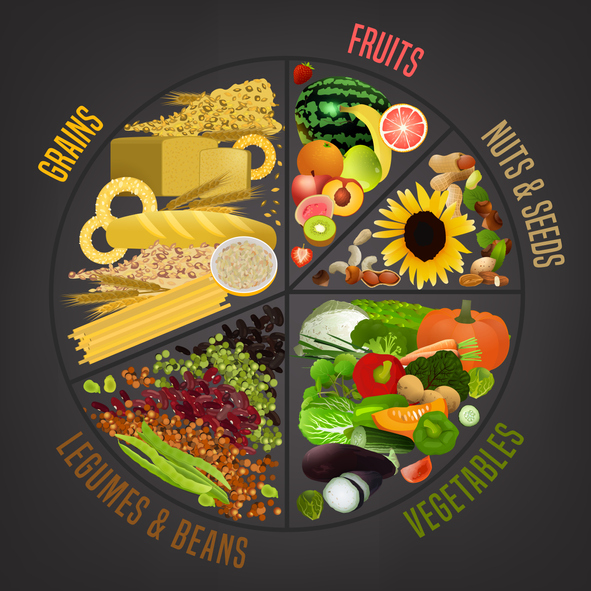
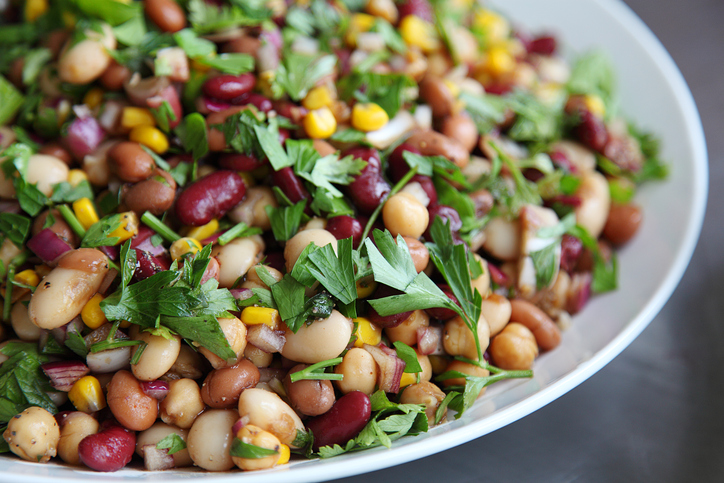
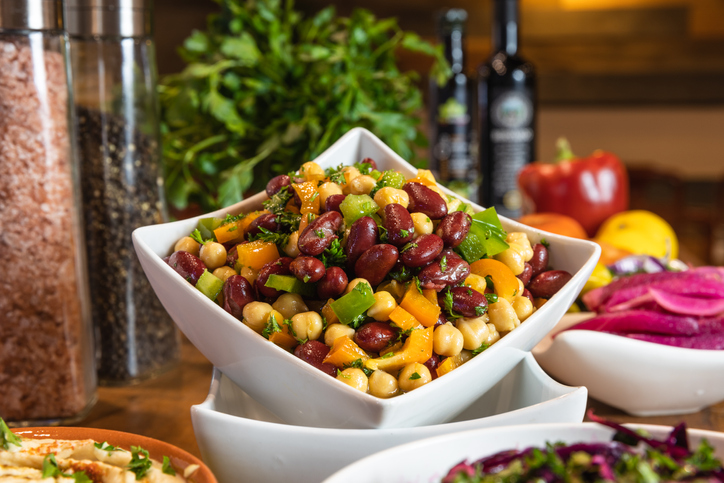
Generally, a vegan diet is made up of lots of fruit and vegetables, healthy fats, nuts and seeds, grains and legumes. A well constructed vegan diet can be extremely healthy and meet all your nutrition requirements, including all your protein and amino acid requirements. Often a vegan diet will be lower in calories, saturated fat, free sugars and salt than a diet that includes animal protein (meat). This means your vegan diet will help protect you from heart disease, obesity, diabetes and some forms of cancer. Because vegans do not eat any form of animal products, they need to take particular care with their vitamin B12 and calcium intake. A poorly constructed vegan diet may require supplements, however supplements should only be taken after a full nutritional analysis from a qualified dietitian or nutritionist.
In contrast to a whole food plant-based vegan diet, a diet that is made up of mostly processed foods is going to be very unhealthy. Here are some examples:
- Frozen ‘vegan’ meat. Often loaded with sodium (salt), artificial ingredients, processed oils and preservatives. Choose options that have beans or legumes as the first ingredient listed on the label – which means the product has these foods in the greatest proportion.
- Vegan desserts. Check what you are actually eating – read the food label. Often these foods are high in sugar and calories.
- Coconut yoghurt – watch the saturated fat content. This also means, high in calories.
- Vege chips – read the label. Often loaded in saturated fat and sodium.
-
2-minute noodles
The bottom line is, a well constructed vegan diet, made up of whole-foods and plant-based, will be one that significantly reduces your chanes of developing cardiovascular disease, diabetes, and cancer.
Michelle @ The Food Cruncher.
Do you want to learn about what’s in food and how to be healthy?
The Food Cruncher teaches you all things nutrition (and exercise).
Sign up today to learn the truth about food.
Share Article:


The Food Cruncher provides general information and a forum for discussions about health, wellness, food and related subjects. The information and other content provided in this website, or in any linked materials, are not intended and should not be construed as medical advice, nor is the information a substitute for professional medical expertise or treatment.
If you or any other person has a medical concern, you should consult with your healthcare provider or seek other professional medical treatment. Never disregard professional medical advice or delay in seeking it because of something that you have read on this website or in any linked materials. If you think you may have a medical emergency, call your doctor or emergency services immediately.
The opinions and views expressed on this website have no relation to those of any academic, hospital, health practice or other institution.































Further Reading

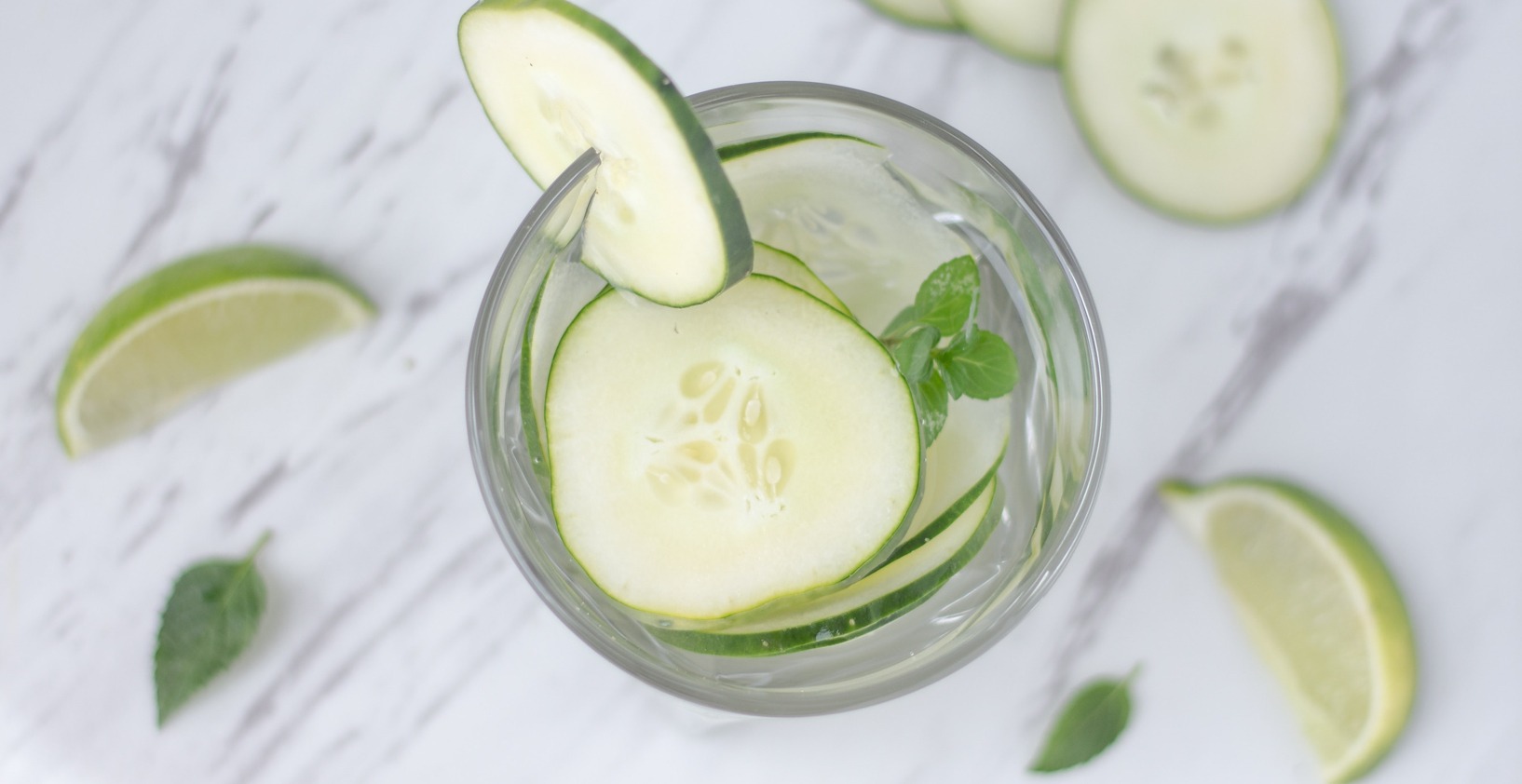
Why Detox Diets Won’t Get You Healthy
Last Reviewed: February 10, 2026
Manganese
Last Reviewed: February 10, 2026
Vitamin K
Last Reviewed: February 10, 2026
Vitamin E
Last Reviewed: February 10, 2026
B Vitamins
Last Reviewed: February 10, 2026
Coconut Oil – Beyond the Hype
Last Reviewed: February 10, 2026
Foods to Boost Your Immune System
Last Reviewed: February 10, 2026
Healthy Snacks
Last Reviewed: February 10, 2026
Takeaway & Take Out Food Choices
Last Reviewed: February 10, 2026For the truth about food and evidence based nutrition information, join The Food Cruncher.
We only publish evidence-based articles so no gimmicks, fads or anything unsupported
by research or evidence. Members only have exclusive access.