
MONTH 2 – Article
What are probiotics and should I take them?
Last Reviewed: 24/06/2024
Time To Read: 3mins
Tags:Free
Probiotics are the good bacteria that are often marketed to help maintain digestive health and to boost the immune system. You can take probiotics as a dietary supplement or get them from food sources like yoghurt. They are a source of living bacteria.
Gut microbiome (the bacteria, viruses and fungi living inside the intestinal tract), have been linked to a number of diseases including obesity, allergies, diabetes and inflammatory bowel disease. A recent scientific study* showed that in general, some probiotics can be beneficial in the treatment and prevention of gastrointestinal conditions. The study also highlights that when choosing probiotics, the type of disease and type of probiotic are important considerations.
Benefits & Risks
While probiotics may be helpful in reducing gastrointestinal symptoms such as gas, bloating and constipation, more studies are needed to determine who exactly will benefit from them.
There are many probiotic dietary supplements on the market. The problem lies in the fact that regulations are not consistent globally, which means you have to trust the supplier that what is on the label is actually what is in the product.
Possible side effects of taking probiotics include:
- Feeling sick (nausea) or vomiting (being sick)
- Stomach upset
- Stomach gas or bloating
- Signs of infection such as high fever, chills or persistent cough
- Signs on an allergic reaction such as rash, itching, swelling of the fact, tongue or throat, or difficulty breathing.
The Food Cruncher is an affordable lifestyle plan that teaches you real food and nutrition information.
Never again will you have to go on a diet.
Sign up to The Food Cruncher today
– no contracts, no joining fees, cancel whenever you like.
Food Sources
Top food sources to obtain probiotics from include:
- Yoghurt (especially plain Greek yoghurt)
- Kefir
- Fermented vegetables such as pickles or sauerkraut.
Lactobacillus or Bifidobacterium are the most common types of bacteria species used in probiotics. When you take these as a supplement, the digestive system warms them up and they then become fully active.
You can find probiotics at pharmacies, ‘health’ stores and supermarkets, as either capsules or powder. The concentration of microorganisms in a probiotic is typically reported in colony forming units (CFU).
The bottom line:
Always seek advice from a medical professional before deciding to take probiotics. People with a compromised immune system or cancer should not use probiotics without a doctor’s approval.
We hope you found this blog useful.
The team @ The Food Cruncher.
The Science:
* Ritchie ML & Romanuk TN (2012). A Meta-Analysis of Probiotic Efficacy for Gastrointestinal Disease. PLoS ONE 7(4): e34938. https://journals.plos.org/plosone/article/file?type=printable&id=10.1371/journal.pone.0034938
https://www.health.harvard.edu/staying-healthy/should-you-take-probiotics
The Food Cruncher provides general information and a forum for discussions about health, wellness, food and related subjects. The information and other content provided in this website, or in any linked materials, are not intended and should not be construed as medical advice, nor is the information a substitute for professional medical expertise or treatment.
If you or any other person has a medical concern, you should consult with your healthcare provider or seek other professional medical treatment. Never disregard professional medical advice or delay in seeking it because of something that you have read on this website or in any linked materials. If you think you may have a medical emergency, call your doctor or emergency services immediately.
The opinions and views expressed on this website have no relation to those of any academic, hospital, health practice or other institution.
Further Reading
Premium Article
Magnesium & Depression
Magnesium is a mineral found in the body and affects blood pressure and energy. Keep reading to find out how.
Premium Article
Potassium & Depression
Potassium is an essential mineral required by the body. Potassium’s main function is to help maintain normal fluid levels inside the cells in our body.
Premium Article
Selenium & Depression
Selenium is a mineral, and an essential nutrient, that helps to regulate blood pressure and keep the immune system healthy.
Premium Article
Plant-based Milk versus Dairy
Let’s talk about milk. Plant-based or dairy – which is better?
Month 5 Article
Nutrition & Vision
Vision loss is a concern as men age. Learn here how your nutrition choices can affect eye health.
Month 1 Article
Men’s Health
What are the top health concerns affecting men? Keep reading to find out more.
Premium Article
Folate (Folic Acid/ Vitamin B9)
Not having enough folate is linked to birth defects such as spina bifida and anencephaly.
Month 4 Article
Nutrition & Cancer
Your lifestyle can have a big impact on cancer prevention. This article explains how.
Month 6 Article
Arthritis, Gout, and Inflammation
Inflammation can increase the risk of gout and arthritis. This articles shows you what foods can increase and reduce your risk of inflammation.
Premium Article
Glycemic Index
Ever heard of the glycemic index? if you have high blood sugars, you need to read this article.
Premium Article
Turmeric and Health
What’s the deal with turmeric? This article focuses on how turmeric might benefit your health – read on to find out more.
Premium Article
Iron & Depression
The body needs iron in the diet to produce haemoglobin (a substance in red blood cells) to carry oxygen around the body. If you don’t eat enough iron you may feel weak, tired and irritable.
Month 3 Article
Carbohydrate Loading
Carbohydrates are essential for training. Athletes, this article is for you.
Premium Article
Vitamins B6, B12 & Depression
B vitamins are essential for good health. Read on to find out why they are so important.
Premium Article
Omega 3
Omega-3 is a fatty acid that the body is unable to make and must be obtained from food. Read on to find out how omega-3 fatty acids can benefit health.
Month 3 Article
Protein Powder
Protein powder. The good, the bad, and do you really need it?
Free Article
Lost 18kg (39.6lbs) with The Food Cruncher – and counting
Premium Article
Food Delivery Subscriptions – Are they worth the money?
My Food Bag? Hello Fresh? Food delivery subscriptions – are they worth it?
Premium Article
Vitamin A & Depression
Vitamin A is a fat-soluble vitamin found in many foods. Vitamin A is important for vision, the immune system and reproduction.
Month 3 Article
Vitamin C & Depression
Vitamin C is an essential nutrient and is a water-soluble vitamin. Keep reading to find out how vitamin C supports growth, and helps the body to absorb iron.
Month 2 Article
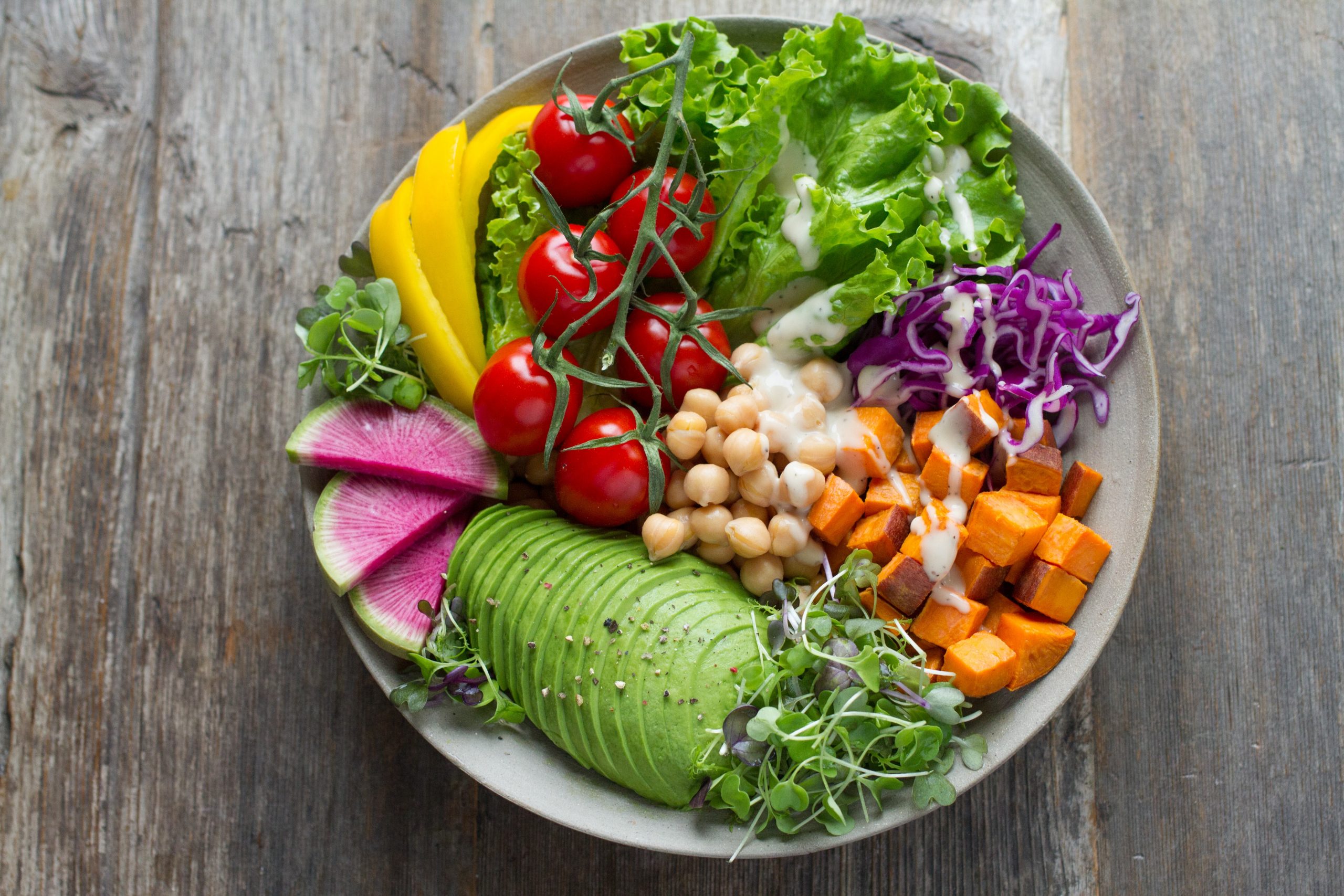
Nutrition & Cardiovascular Disease
What you eat has a huge effect on heart health. This article explains how to make heart healthy food choices.
Premium Article
Zinc & Depression
Zinc is an essential mineral and is involved in immune function, wound healing and supports normal growth and development during pregnancy, childhood and adolescence.
Premium Article
Thiamine & Depression
Thiamine (vitamin B1) is one of the water-soluble B vitamins. This vitamin is essential for energy metabolism, growth, development and the function of cells.
Free Article
Sarah (Karate) UAE
Free Article
Abdulaziz (Karate) UAE
Free Article
Kelsey Willcocks – ‘The Food Cruncher taught me the truth about food’
Free Article
Jack Dangen (Canoe Slalom) New Zealand
Free Article
Mark Baggot (lost 20kg (44lbs) with The Food Cruncher)
Free Article
Haylee Dangen (Canoe Slalom) New Zealand
Free Article
Bianca Du Plessis – lost 11cm around her waist in 5 weeks with The Food Cruncher
Free Article
Pierre Jones – Dropped body fat and improved blood pressure with The Food Cruncher
Free Article
What are probiotics and should I take them?
Free Article
Processed & Ultra-Processed Foods
Free Article
Blood Pressure
Free Article
Wholefood Plant-Based Diets
Free Article
Gluten Free
Free Article
Keto Diet – Make an Informed Choice
Free Article
Type 2 Diabetes
Free Article
Mediterranean Diet
Free Article
Omega-3 & Omega-6 Fatty Acids
Free Article
Vegetarian & Vegan Diets – the Good & the Bad
Free Article
Why Diets Don’t Work
Month 1 Article
Portion Sizes
What is a healthy portion size? It can be confusing, which is why we’ve made it nice and simple.
Month 1 Article
Do Calories Matter?
Not all calories are created equal. The quality of what you eat matters. Calories definitely matter and we explain why.
Month 1 Article
Food Swaps – How to Save Calories
We’ve got a user-friendly list of food swaps to help you save calories!
Month 2 Article
Cholesterol
High cholesterol raises the risk of coronary heart disease. Let’s get into the small changes to your diet that can make a big impact.
Month 2 Article
Fat – What is it and How Much should I eat?
So much is said about fat, without the full facts being known. We’re here to help.
Month 5 Article
Obesity
Sadly, obesity rates around the world seem to keep on rising. We can help if you are looking to improve your health.
Month 5 Article
Protein How Much Should I Eat?
Protein. Do you know how much protein you actually need a day? You might be surprised.
Month 2 Article
Nuts
While nuts are good for you, they are high in fat. So, which types should you choose above others?
Month 3 Article
Sugar
Want the lowdown on sugar? You’ve come to the right place.
Month 8 Article
Food Labels
Ever get confused by food labels? Don’t worry, you’re not alone. Let’s help you out.
Month 7 Article
Sports Drinks & Smoothies
Sports drinks and smoothies are not a golden ticket to amazing health. We’ll explain why.
Month 10 Article
Food & Lifestyle as Medicine
Were you aware that lifestyle diseases are the leading cause of death in the modern world? Let’s talk about that.
Month 5 Article
Plant-Based Diets
You’ve heard ‘plant-based diet’ a lot. But has anyone explained it properly to you? Let us help.
Month 4 Article
Butter & Margarine
It seems like a never-ending debate. Which is better? Butter? Or margarine?
Month 4 Article
Fibre
Fibre… are you getting enough? Don’t stress. We’re ready to help.
Month 6 Article
Salt
Generally, you don’t need to look for salt – it will find you. Too much salt is harmful to your health. We show you how to reduce your salt intake with some simple steps.
Month 4 Article
Carbohydrates – and why you need them
There are heaps of sources of carbohydrates. Here’s a user-friendly guide to what you should know.
Month 3 Article
Pre-Diabetes – What is it and how to prevent it
Prediabetes can be reversed. Read on to find out how.
Blood Pressure Article
Dash Diet
Ever heard of the DASH diet? This eating pattern is proven to reduce blood pressure. This article tells you how.
Free Article
Coffee
Month 7 Article
Alcohol
If you enjoy a drink, there are a few things about alcohol you might want to know about.
Free Article
Tea
Month 11 Article
Vitamin D
It’s not only for healthy bones and teeth that you need calcium.
Month 11 Article
Iodine
It’s not only for healthy bones and teeth that you need calcium.
Month 11 Article
Potassium
It’s not only for healthy bones and teeth that you need calcium.
Month 11 Article
Magnesium
It’s not only for healthy bones and teeth that you need calcium.
Month 9 Article
Calcium
It’s not only for healthy bones and teeth that you need calcium.
Month 11 Article
Zinc
It’s not only for healthy bones and teeth that you need calcium.
Month 11 Article
Selenium
It’s not only for healthy bones and teeth that you need calcium.
Month 9 Article
Iron
Did you know there are two forms of dietary iron? Would you know which foods to find them in? The Food Cruncher is here to provide the answers!
Month 11 Article
Phosphorus
It’s not only for healthy bones and teeth that you need calcium.
Month 9 Article
Vitamin C
Because the body does not produce vitamin C, it is important to obtain it in your diet daily.
Month 10 Article
Vitamin A
Vitamin A is important for vision, the immune system and reproduction. Keen to know what the
recommended intake is? We’re here to help.
Month 12 Article
Healthy Snacks
The key to healthy snacks is not only choosing the right food but remembering it’s a snack. Not a meal. Try and keep your snacks to under 200 calories, especially if you are trying to lose weight.
Month 12 Article
Takeaway & Take Out Food Choices
If you decide to take a night off from cooking, it can be pretty hard to know what a healthy takeaway choice is.
Month 10 Article
Foods to Boost Your Immune System
Keen to find out which foods can boost your immune system? We’re here to help.
Month 11 Article
Coconut Oil – Beyond the Hype
There are some really important things you should know about coconut oil.
Month 11 Article
B Vitamins
B vitamins have an important role to play. Not quite sure what they do? Read on.
Month 11 Article
Vitamin E
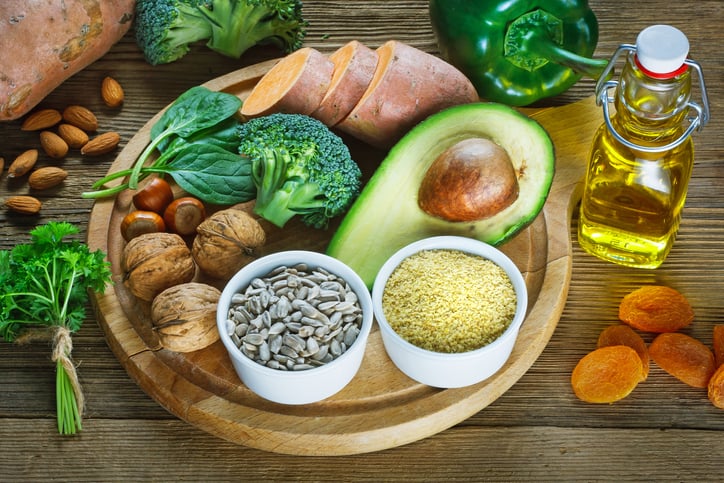
Think you’re getting enough Vitamin E? Let’s check out the list of food sources where it’s found.
Month 11 Article
Vitamin K
Not sure which foods contain vitamin K? We can help you out with that right here.
Month 11 Article
Manganese
Manganese is an essential nutrient. But how much do you need?
Month 12 Article
Why Detox Diets Won’t Get You Healthy
Tempted to go on a detox diet? Before you go any further, we’ve got some important points to share.
Further Reading
Why Detox Diets Won’t Get You Healthy
Last Reviewed: February 10, 2026
Manganese
Last Reviewed: February 10, 2026
Vitamin K
Last Reviewed: February 10, 2026
Vitamin E
Last Reviewed: February 10, 2026
B Vitamins
Last Reviewed: February 10, 2026
Coconut Oil – Beyond the Hype
Last Reviewed: February 10, 2026
Foods to Boost Your Immune System
Last Reviewed: February 10, 2026
Takeaway & Take Out Food Choices
Last Reviewed: February 10, 2026
Healthy Snacks
Last Reviewed: February 10, 2026For the truth about food and evidence based nutrition information, join The Food Cruncher.
We only publish evidence-based articles so no gimmicks, fads or anything unsupported
by research or evidence. Members only have exclusive access.